 ToolScan
Channel Locks vs. Pipe Wrench: Key Differences and When to Use Which
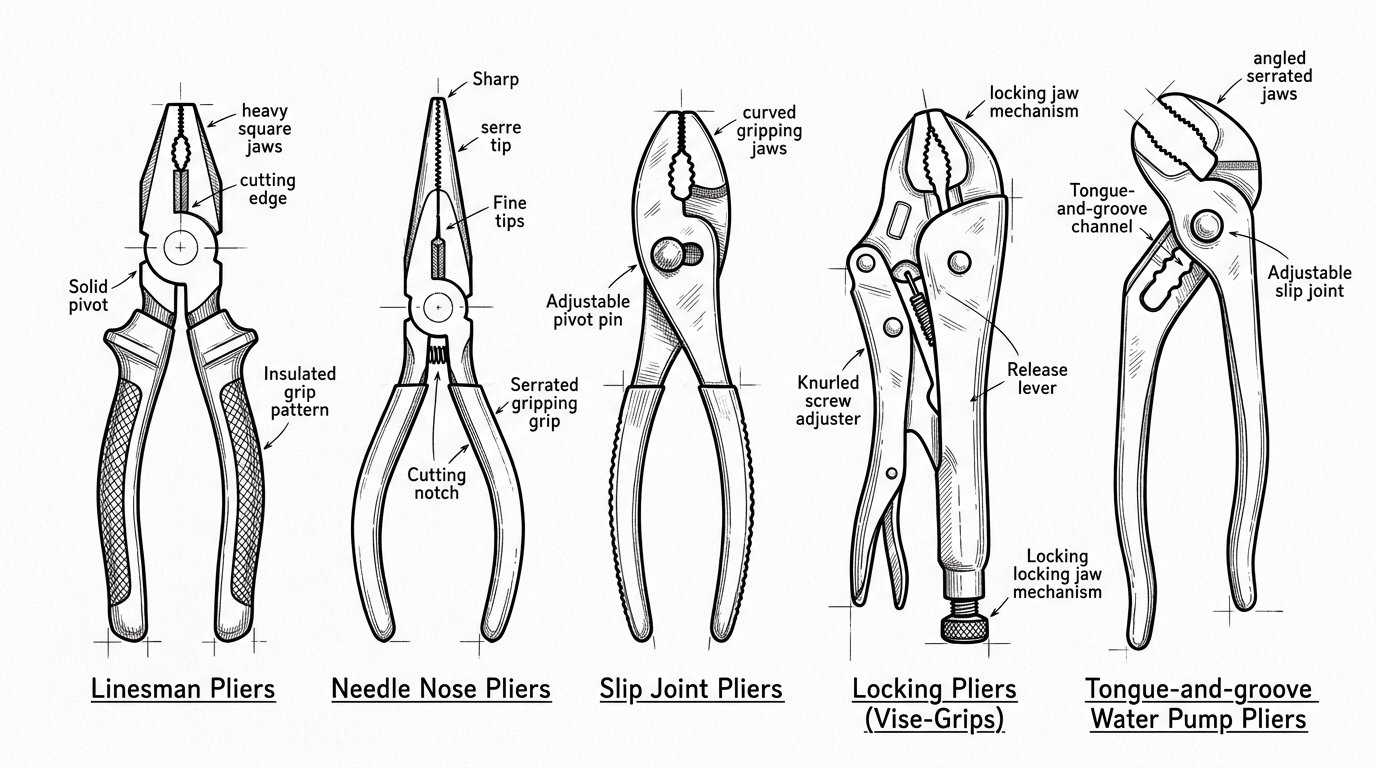
Ask any homeowner to point out a "plumbing wrench," and they will almost certainly grab one of two tools: a pair of tongue-and-groove pliers (commonly called Channel Locks) or a heavy iron pipe wrench (Stillson wrench).
Both tools feature aggressively serrated jaws, both are engineered to grab round pipes, and both have saved countless homeowners from disastrous domestic leaks. Because they look like they perform similar functions, DIYers frequently treat them as interchangeable.
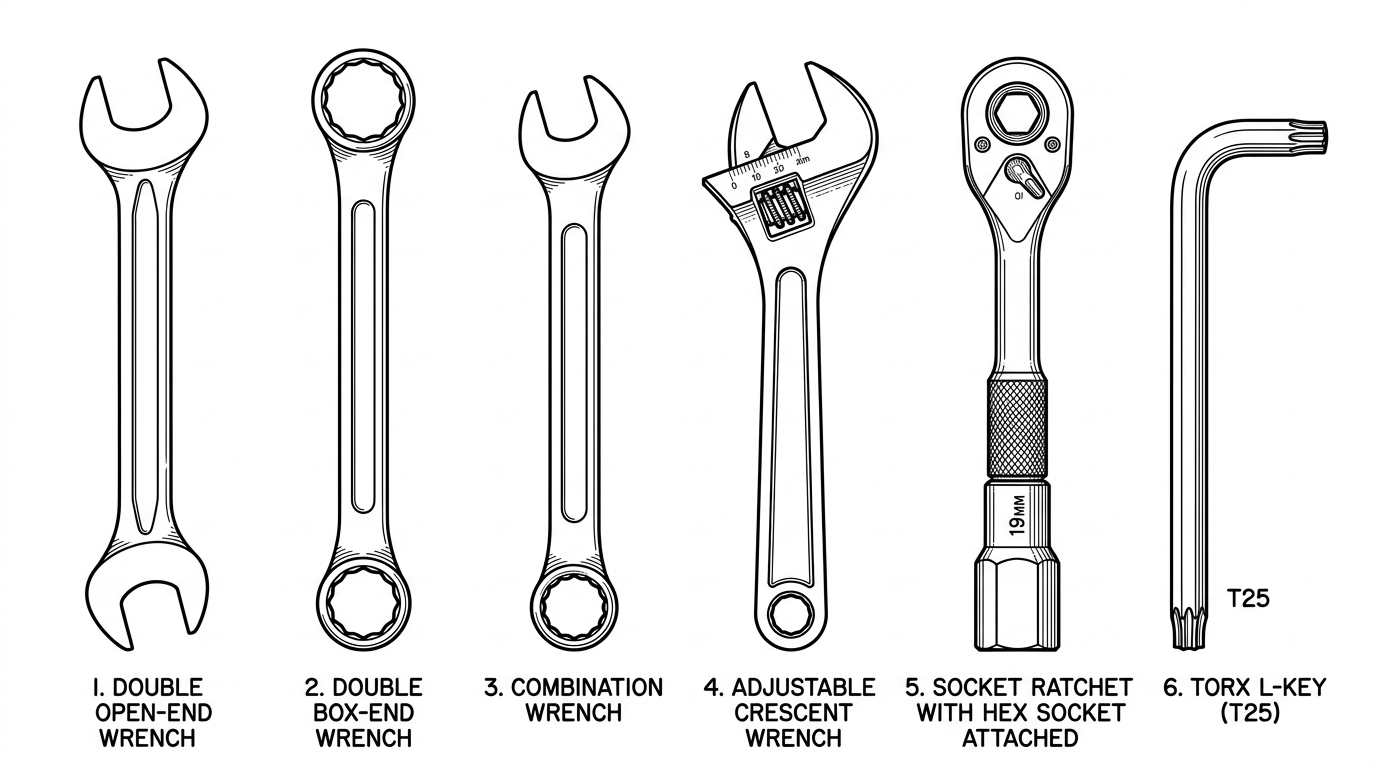
Treating them as interchangeable is a costly mistake. Use a pipe wrench on a delicate chrome slip-nut under your bathroom vanity, and you will crush the thin brass tubing or gouge the plating beyond repair. Conversely, try breaking loose a 50-year-old rusted 1-inch black iron gas pipe using tongue-and-groove pliers, and you will slip, strip the teeth, and smash your knuckles into the concrete floor.
In this head-to-head channel locks vs pipe wrench guide, we analyze the mechanical operating principles, tooth profiles, leverage capacities, and specific use-cases for each tool.
The Mechanical Breakdown: How Each Tool Works
1. Tongue-and-Groove Pliers: Dynamic Hand Pressure
Tongue-and-groove pliers feature an undercut sliding pivot track that allows the jaws to open wide while keeping gripping faces parallel. Crucially, the tool exerts zero clamping force on its own—the bite is generated entirely by the physical grip strength of your hand squeezing the handles.
2. The Pipe Wrench: The Self-Energizing Cam Bite
Patented by Daniel Stillson in 1869, the pipe wrench features a floating L-shaped "hook jaw" that rocks in a spring-loaded collar. When rotational torque is applied, the directional teeth bite into the metal. The harder you pull the handle, the deeper the jaw wedges into the pipe, generating thousands of foot-pounds of self-locking mechanical grip without requiring hand squeeze.
When to Reach for Channel Locks
- Sink P-Traps: Loosening and tightening 1-1/4" and 1-1/2" plastic or brass slip-joint drain nuts where hand-feel prevents cracking.
- Garden Hose Connections: Freeing corroded brass hose fittings from outdoor spigots.
- Holding Angle Stops: Holding shutoff valves steady while connecting flexible supply lines.
When to Reach for a Pipe Wrench
- Black Iron Gas Pipes: Threading and breaking heavy black steel gas piping for water heaters and furnaces.
- Galvanized Water Mains: Breaking loose corroded iron water pipes.
- The Two-Wrench Rule: Always use two pipe wrenches facing opposite directions—one to turn the fitting and a backup wrench to prevent twisting pipes inside the wall.
Match Your Fasteners with ToolScan
Staring at a corroded plumbing fitting under your kitchen sink and not sure whether it’s threaded iron, brass, copper, or PVC?
Avoid rounding off brass fittings—scan your plumbing fasteners to get the right tool advice.
With ToolScan, simply point your camera at the pipe joint. ToolScan instantly recognizes the pipe material, identifies the correct wrench type and sizing, and warns you about cross-threading and surface-damage risks before you apply torque.
Isuru writes practical guides on tool identification, safe usage, and maintenance, with a focus on AI-assisted learning.