 ToolScan
Automotive Specialty Tools: What’s Under the Hood of a Pro Garage?
Every DIY mechanic starts out with a standard socket set, a couple of screwdrivers, and a pair of pliers. With those basics, you can handle simple maintenance like swapping an air filter or changing wiper blades.
But as soon as you dive into intermediate automotive repairs—changing front brake pads with electronic parking brakes, diagnosing an elusive engine check-engine code, or replacing a leaking water pump—you quickly realize that modern engine bays are dense, tightly packaged puzzles. Standard tools physically cannot fit or apply the specific mechanical motions required to service today's vehicles.
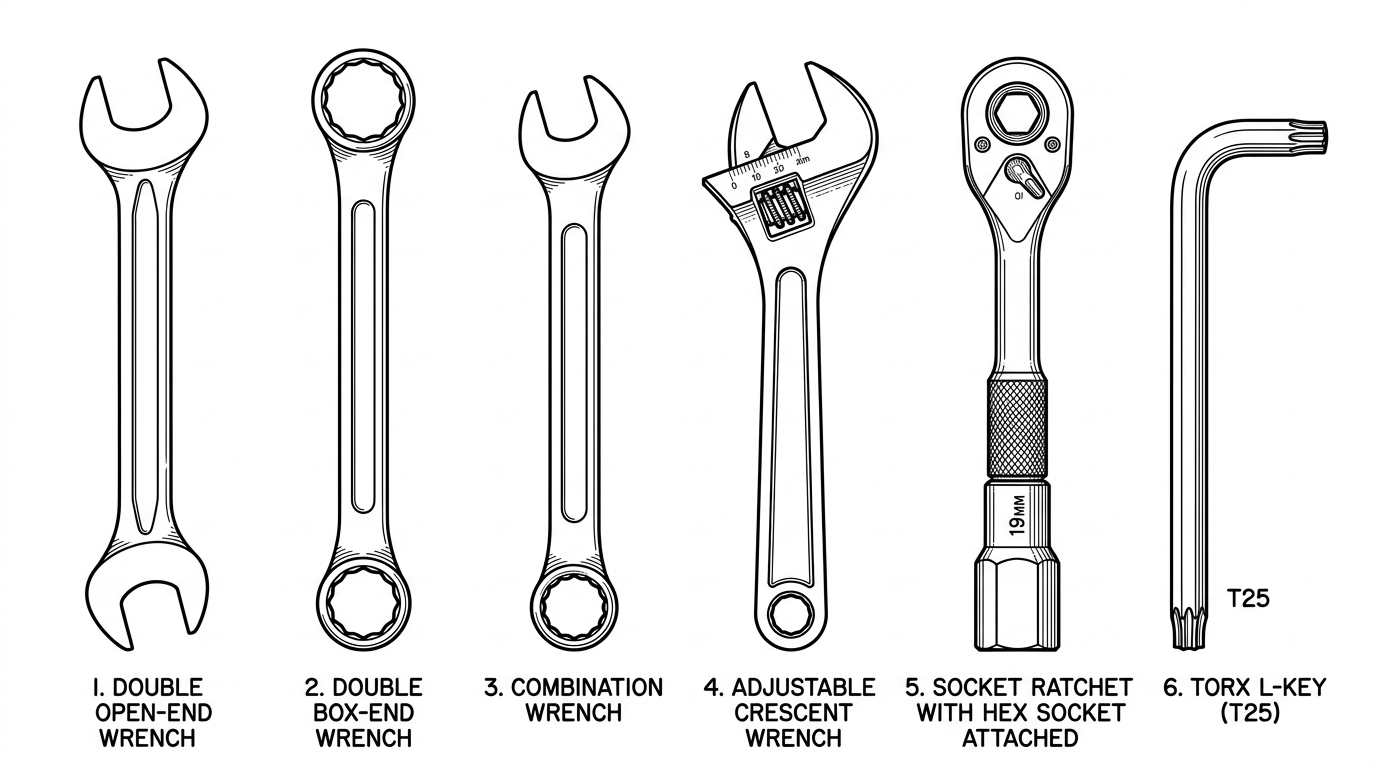
In this guide to automotive specialty tools, we step into a professional technician's bay to reveal the essential car mechanic tools list that separates casual tinkering from precision automotive repair.
10 Professional Automotive Specialty Tools Every Serious DIYer Needs
1. OBD-II Diagnostic Scanner (With Live Data & Freeze Frame)
What It Is: A handheld diagnostic computer that connects directly into your vehicle’s 16-pin OBD port. Live-data scanners display fuel trims, oxygen sensor voltages, and freeze-frame engine parameters captured the millisecond a fault occurred.
2. Magnetic Spark Plug Sockets & Wire Feeler Gap Gauges
The Pro Tool: A magnetic thin-wall swivel spark plug socket locks securely onto the spark plug hex without dropping it into deep engine wells or cracking ceramic insulators. Calibrated wire-loop feeler gauges measure gap spacing accurately without damaging delicate iridium tips.
3. Specialty Oil Filter Wrenches (End-Cap Sockets & Swivel Bands)
The Right Tool: Fluted end-cap sockets matching plastic cartridge housings (e.g., 64mm 14-flute for Toyota) prevent cracked filter housings, while 3-jaw gear claws provide universal grip on spin-on filters.
4. Disc Brake Caliper Wind-Back & Piston Compressor Kit
The Hazard: On rear brake calipers equipped with integrated mechanical or electronic emergency brakes, pressing the piston straight back destroys internal ratcheting mechanisms. A rotating wind-back kit simultaneously turns and compresses the piston safely.
5. Ball Joint Separator & Tie-Rod Pitman Arm Puller
The Mechanical Solution: A screw-driven ball joint separator applies controlled pressure directly to the tapered steel stud without tearing protective rubber grease boots.
6. Serpentine Belt Tensioner Tool
Why You Need It: Automatic belt tensioners sit squeezed between the engine block and inner fender well. A 2-foot ultra-thin flat bar with shallow sockets reaches into 1-inch clearance channels with ease.
7. Digital Angle Torque Adapter (Torque-to-Yield)
Why It Matters: Cylinder head and flywheel bolts are stretch bolts tightened to an initial torque followed by a degree turn (e.g., "plus 90 degrees"). Angle gauges ensure exact clamping tension.
8. Engine Compression Tester & Cylinder Leak-Down Gauge
Diagnostic Power: Measures cylinder peak compression PSI to diagnose blown head gaskets, burned valves, or worn rings before replacing parts blindly.
9. Vacuum Brake Bleeder & Fluid Evacuator
Why You Need It: Enables one-person brake fluid flushing and prevents pushing master cylinder seals past their normal travel stroke.
10. Automotive Multimeter with Inductive Current Clamp
Why You Need It: Measures live DC milliamp draw over battery cables to locate parasitic electrical drains that kill batteries overnight.
Identify Automotive Specialty Tools with ToolScan
Found an unfamiliar puller, specialized spanner, or sensor socket in an old toolbox and wondering what vehicle it fits?
Identify spark plug gap gauges, oil filter wrenches, and OBD scanners.
With ToolScan, simply point your camera at any automotive specialty tool. ToolScan instantly recognizes the tool, details its vehicle make/model compatibility, and provides practical torque specs and operating guidelines.
Isuru writes practical guides on tool identification, safe usage, and maintenance, with a focus on AI-assisted learning.