 ToolScan
Cold Chisel vs. Wood Chisel: Don’t Ruin Your Blades
To someone unfamiliar with tool metallurgy, a chisel looks like a simple implement: a bar of steel with a beveled cutting edge at one end and a handle or strike face at the other. Because both tools share the name "chisel," DIYers frequently make the dangerous mistake of treating them as interchangeable.
Grab a fine woodworking bench chisel to chop a rusted steel padlock bolt, and with the very first strike of your hammer, the razor-sharp cutting edge will shatter into jagged metal fragments—permanently destroying a precision woodworking tool and sending high-velocity steel shards flying toward your eyes.
Conversely, take a heavy octagonal cold chisel to cut a mortise or clean a wood dovetail joint, and you will crush and tear the soft wood grain, leaving ragged, bruised surfaces that no amount of wood glue can fix.
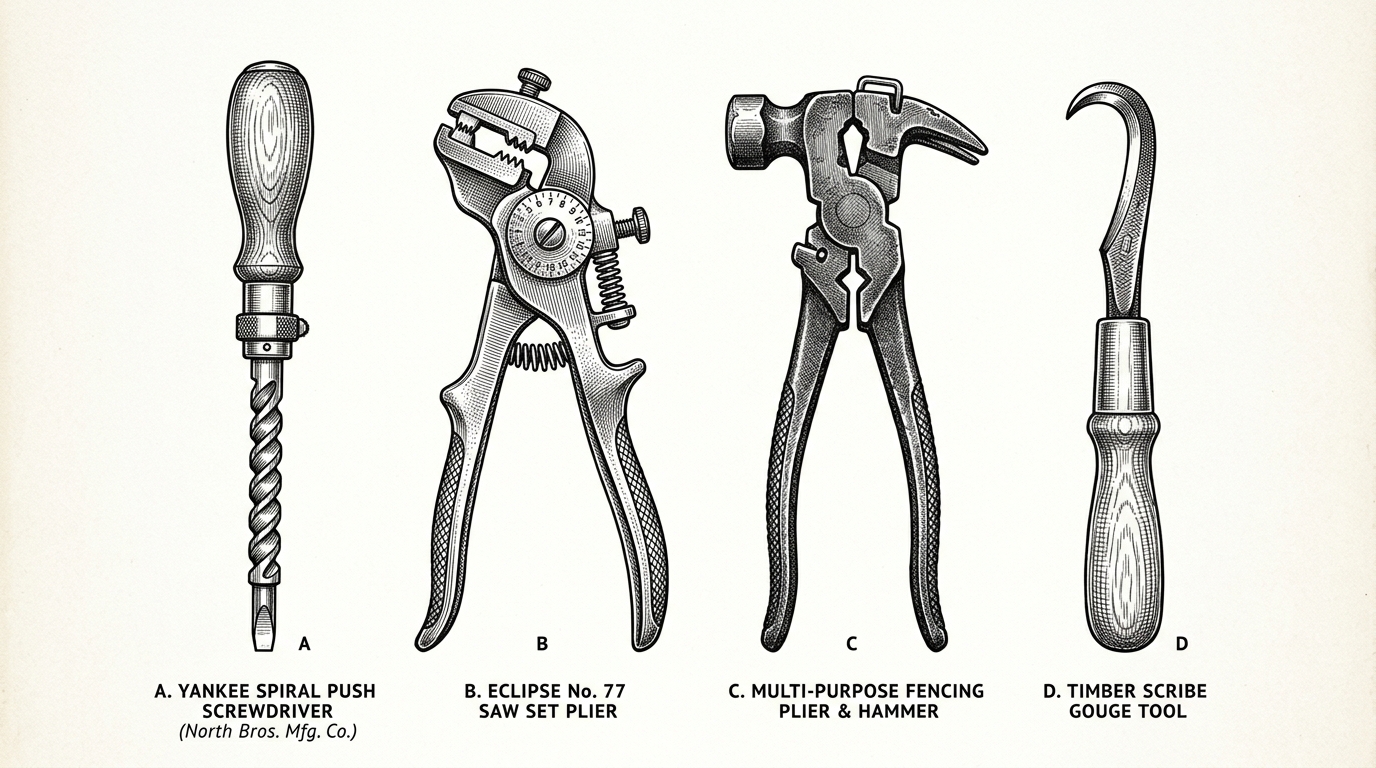
In this essential safety and craftsmanship guide, we break down the critical differences between a cold chisel vs wood chisel, analyze the metallurgy and bevel angles that govern them, and explain how to identify each tool so you never ruin an edge or cause a workshop accident.
The 4 Critical Differences: Metallurgy, Geometry, Handles, and Striking
1. Metallurgy & Heat Treatment (Hardness vs. Toughness)
- Wood Chisels (HRC 58–64): Forged from high-carbon tool steel heat-treated for extreme hardness so the edge can be honed razor-sharp to slice wood cells cleanly. However, extreme hardness makes the edge brittle—striking metal or concrete will chip or shatter it immediately.
- Cold Chisels (HRC 52–58 at tip, HRC 35–42 at striking head): Forged from shock-resisting alloy steel with differential tempering. The cutting tip cuts mild steel without chipping, while the soft striking head absorbs violent hammer blows without fracturing into dangerous flying shrapnel.
2. Bevel Geometry & Cutting Angle
- Wood Chisel: Single flat bevel ground at an acute 25 to 30 degrees with a flat reference back for slicing wood fibers.
- Cold Chisel: Double symmetrical bevel ground at a blunt 60 to 70 degrees, providing a massive wedge of supporting steel behind the edge to withstand heavy percussive impacts against solid metal.
3. Handle vs. Solid Octagonal Steel
- Wood Chisel: Features a wooden or acetate handle joined by a tang or socket.
- Cold Chisel: One-piece solid forged steel bar with an octagonal cross-section that prevents rolling and offers a non-slip grip.
4. The Hammer You Must Use
- Wood Chisel: Always strike with a wooden joiner's mallet, brass mallet, or dead-blow hammer. Never strike with a steel claw hammer.
- Cold Chisel: Always strike with a heavy steel ball-peen or engineer's club hammer (16 to 32 oz).
The Dangerous "Mushroom" Head Hazard
Over hundreds of hammer strikes, the striking head of a cold chisel deforms into a curled mushroom shape. If struck, the work-hardened mushroom rim can snap off and shoot like shrapnel. Regularly grind away mushroomed edges on a bench grinder to maintain a clean 45-degree chamfer.
Verify Chisel Metallurgy and Profiles with ToolScan
Holding an old, blackened piece of forged steel in a garage and can’t tell whether it’s an antique mortise chisel, a heavy timber framing slick, or a machinists' cold chisel?
Avoid dangerous tool shattering by confirming whether your chisel is tempered for metal or wood.
With ToolScan, simply snap a picture of the blade and striking end. ToolScan instantly recognizes the chisel type, confirms whether it is tempered for metal or wood, displays its bevel angle recommendations, and delivers crucial safety warnings before you strike it with a hammer.
Isuru writes practical guides on tool identification, safe usage, and maintenance, with a focus on AI-assisted learning.